News
Understanding Cabinet Construction: What Makes Custom Cabinetry Worth the Investment
When it comes to kitchen and bathroom renovations, cabinets represent one of the largest investments you’ll make. With options ranging from budget-friendly stock cabinets to high-end custom pieces, understanding what separates quality construction from mediocre can help you make an informed decision that you’ll be happy with for decades to come.
The Foundation: Box Construction Methods
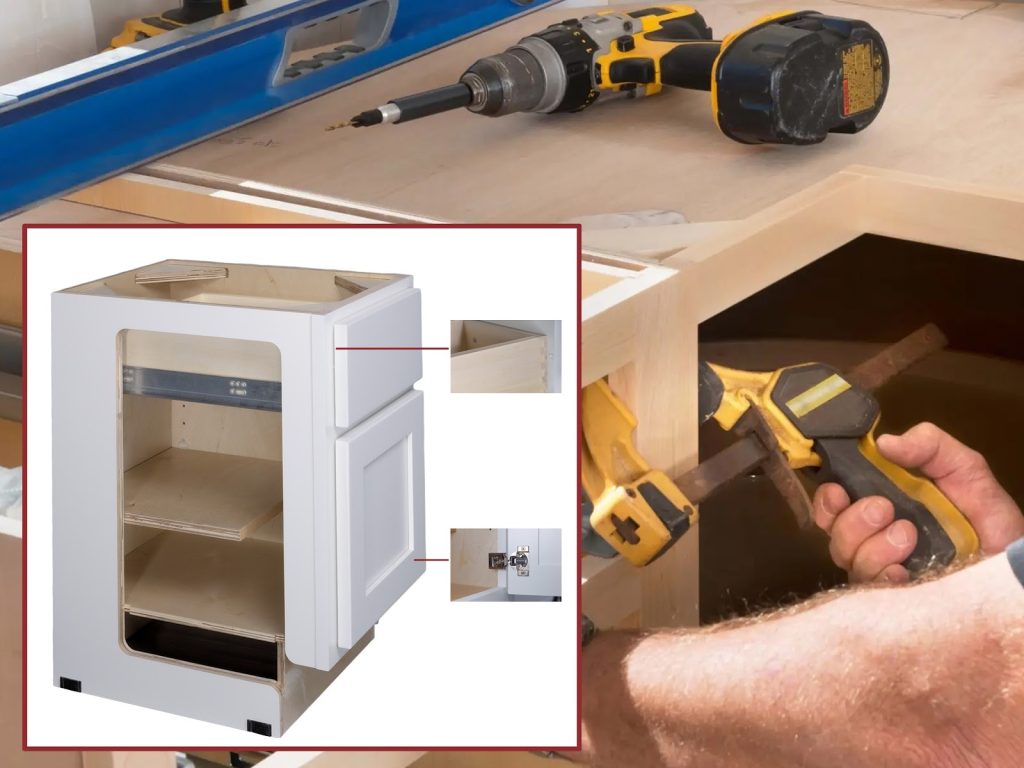
The cabinet box is the backbone of your cabinetry. How it’s built determines everything from durability to how well your doors and drawers will function over time.
Face Frame vs. Frameless (Open Access) Construction Traditional face frame cabinets feature a wooden frame attached to the front of the cabinet box, providing additional structural support and a classic American look. Frameless cabinets offer cleaner lines and slightly more interior storage space. Both can be built to exceptional standards when proper techniques and materials are used.
Joint Construction Custom cabinets use strong joinery methods like dowels rather than simple butt joints held together only by screws. Look for boxes where the back panel sits in a groove rather than being nailed to the outside of the sides. This creates a much stronger, more stable cabinet that won’t rack or twist over time.
Materials Matter: Beyond the Surface
Plywood vs. Particleboard While particleboard and Medium-Density Fiberboard have their place in cabinetry, quality construction typically uses plywood for the cabinet box. Plywood offers superior strength, better screw-holding power, and won’t deteriorate if exposed to moisture like particleboard can. Full-extension drawer slides and heavy-duty hinges perform better when mounted to the solid wood layers of plywood.
Solid Wood Components Face frames, doors, and drawer fronts made from solid wood not only look better but can be repaired and refinished if needed. Quality hardwoods like maple, oak, cherry, and hickory develop character over time and can withstand decades of daily use.
Hardware: The Unsung Heroes
Drawer Slides Full-extension, soft-close drawer slides might seem like a luxury, but they’re indicators of quality construction. These slides allow complete access to drawer contents and prevent slamming, which reduces wear on both the slide and the cabinet box.
Hinges Concealed hinges with soft-close mechanisms have become the standard in quality cabinetry. These hinges are adjustable in multiple directions, allowing for perfect door alignment even as houses settle over time. They’re also replaceable without refinishing, unlike traditional butt hinges.
Interior Organization Quality cabinets often include thoughtful interior features like adjustable shelves, pull-out trays, and specialized storage solutions. These aren’t just convenience features – they’re signs that the manufacturer has considered how the cabinets will actually be used.
Finishing Touches That Last
Multi-Step Finishing Process A quality finish involves multiple steps: proper sanding, sealing, staining (if applicable), and several coats of protective topcoat. This process takes time but results in a finish that resists wear, moisture, and fading.
Attention to Detail Look for consistent grain matching on door panels, smooth edges with no visible glue lines, and hardware that’s perfectly aligned. These details indicate craftsmanship and quality control throughout the manufacturing process.
The True Cost of Quality
While quality cabinets require a higher upfront investment, they often prove more economical over time. Well-built cabinets maintain their function and appearance for 20-30 years or more, while budget options may need replacement in 5-10 years. Quality cabinets also add more value to your home and can often be refaced or refinished rather than completely replaced when styles change.
Consider also the intangible benefits: doors that close smoothly every time, drawers that glide effortlessly even when fully loaded, and the satisfaction that comes from owning something built to last.
The Mette Advantage: Putting Custom into Practice
At Mette Cabinets & Countertops, we incorporate all these custom construction principles into our custom cabinetry lines. Here’s how we deliver on the promise of superior construction:
Our Custom Framed Cabinetry Features:
- All wood construction with real birch veneer interiors protected by UV finish – no shelf paper needed
- Doweled and glued frame joinery for precision assembly and case rigidity
- 5/8″ solid wood drawers with traditional dovetail joinery
- Full extension undermount soft-close drawer guides
- Concealed soft-close hinges with 6-way adjustment for perfect door alignment
- 3/4″ thick plywood shelves for maximum strength
Our Custom Open Access Cabinetry Includes:
- 3/4″ thick plywood construction throughout
- Dowel and glue assembly for strength and precision
- The same quality 5/8″ dovetailed wood drawers and soft-close hardware
- Concealed soft-close hinges with 6-way adjustment for perfect door alignment
These aren’t just features – they’re commitments to the construction principles that make cabinetry last.
Making the Right Choice for Your Home
Understanding these construction fundamentals helps you evaluate options and ask the right questions. When you choose Mette Cabinets & Countertops, you’re investing in cabinetry that exemplifies every quality construction principle discussed here.
Ready to explore quality cabinet options for your home? Visit our showroom to see the difference that our cabinet construction makes firsthand.